
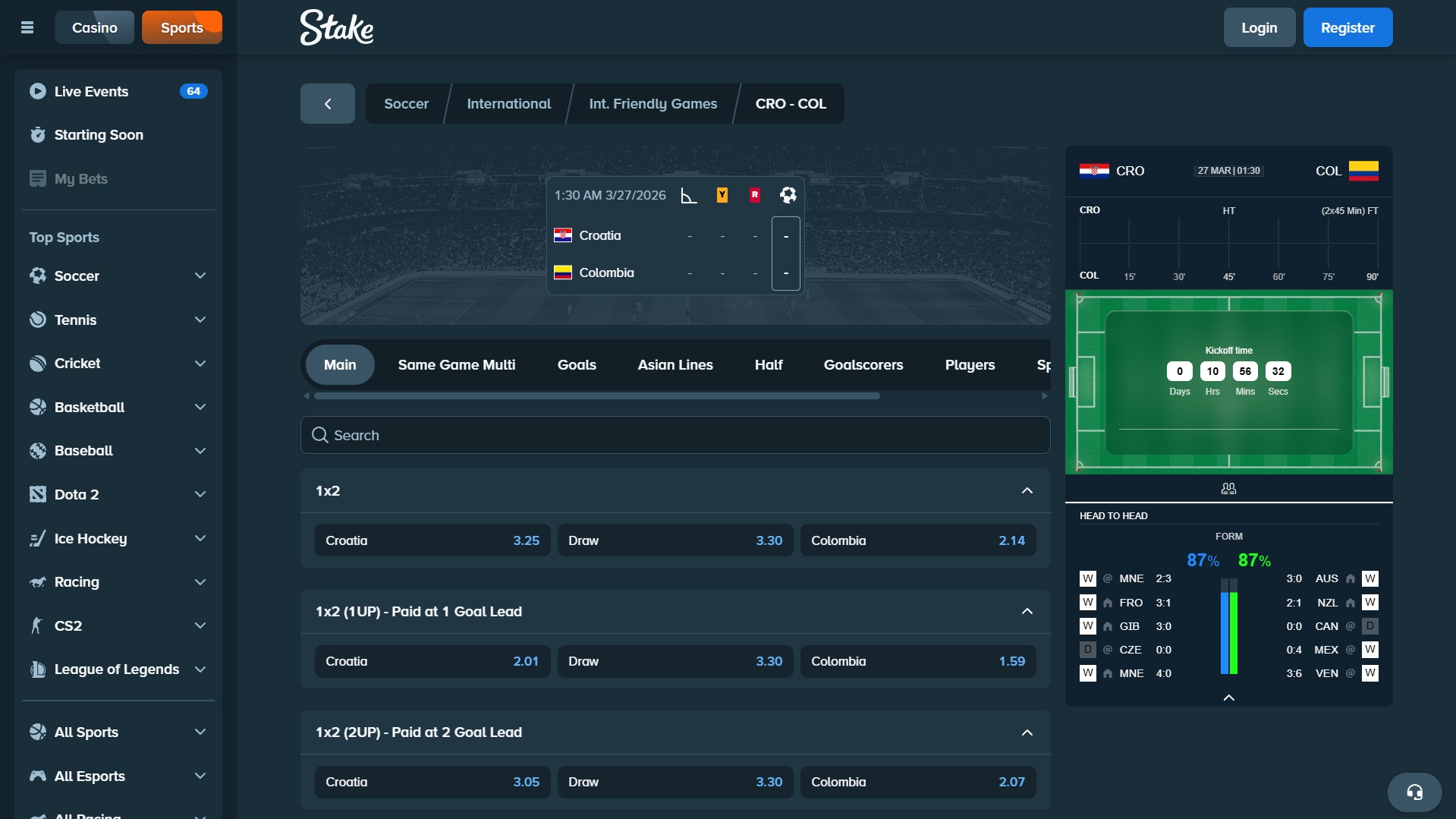
To understand why this specific format attracts a massive, highly dedicated audience, we must examine the cognitive motivations of the user base. While traditional algorithmic games appeal to the human desire for rapid variance and immediate resolution, the betting section caters to a fundamentally different psychological paradigm: the pursuit of analytical mastery and the application of empirical knowledge. Users who migrate toward this sector do so because it offers the “illusion of control” grounded in actual, real-world variables. The outcomes here are not dictated by a closed-loop cryptographic algorithm, but by the physical conditioning of athletes, the tactical acumen of coaches, and shifting meteorological conditions.
For the modern digital consumer, participating in this ecosystem transforms the inherently passive act of watching a sports broadcast into an active, high-stakes cognitive exercise. The platform provides the infrastructural canvas upon which users can test their predictive models against the consensus of the global market. Furthermore, in rapidly expanding digital economies characterized by intense sporting fanaticism, such as the demographic representing stake casino india, this section serves as a vital cultural and economic nexus. It allows users to leverage their deep, localized knowledge of specific sports, transforming regional passion into a structured, quantifiable digital interaction. Understanding this environment is absolutely essential for evaluating how digital platforms successfully command user attention and sustain long-term engagement in the highly competitive attention economy.
How the Betting Interface Guides the User
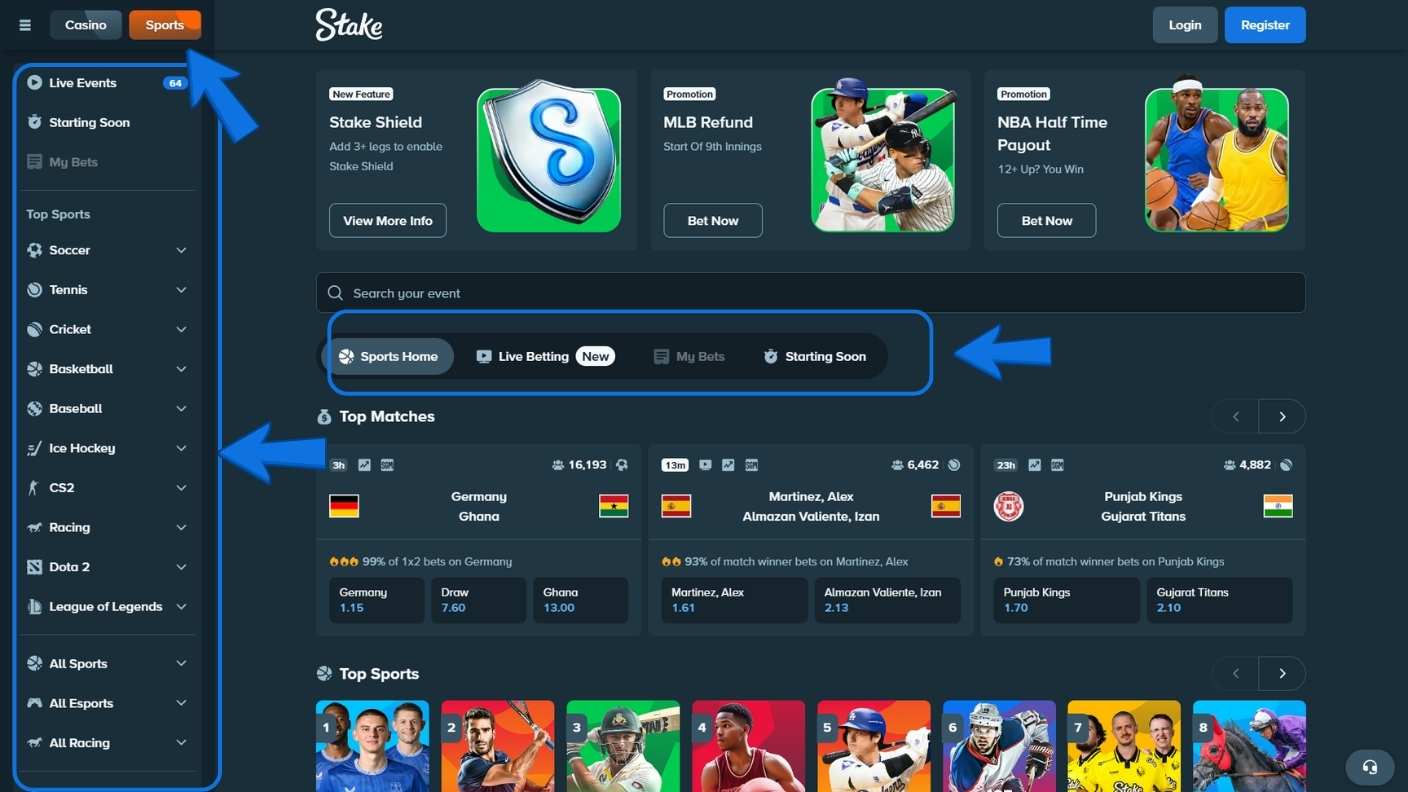
In the academic discipline of Human-Computer Interaction (HCI), the design of an interface is recognized not simply as an aesthetic overlay, but as a cognitive tool that actively shapes how a user perceives, processes, and reacts to information. When a user transitions into the betting environment, they are immediately confronted with a volume of data that borders on overwhelming. The system must simultaneously display thousands of ongoing global fixtures, constantly fluctuating decimal coefficients, deep historical analytics, and real-time match telemetry. The primary software engineering challenge is to present this massive dataset without inducing a state of cognitive overload or decision paralysis.
The interface achieves this through the masterful application of Information Architecture (IA) and visual hierarchy. A well-constructed platform acts as an intelligent visual filter. The macro-structure typically utilizes a logical sidebar navigation system that categorizes events by sporting discipline, geographical league, and chronological proximity. The center console is strictly reserved for the highest-priority data: events that are currently live or imminent. This deliberate spatial organization aligns perfectly with the natural scanning patterns of the human eye, allowing users to rapidly bypass irrelevant data and lock onto their target markets within seconds.
Furthermore, the interface utilizes subtle yet highly effective behavioral navigational cues. The dynamic movement of odds is communicated through immediate color contrast — typically flashing green when a probability coefficient increases and red when it decreases. This allows the user to subconsciously process shifting market sentiment and algorithmic recalibrations without needing to consciously read and calculate the changing numerical values.
The user journey is further streamlined by the integration of the dynamic bet slip. When a user selects a specific market, the data is seamlessly transferred to a dedicated module that functions as an automated financial calculator. This slip instantly computes potential returns based on the user’s inputted capital, providing absolute transparency regarding risk and reward. By presenting complex mathematical scenarios in a clean, highly legible format, the interface drastically reduces user error and instills a profound sense of operational confidence, guiding the user safely from initial data analysis to final transaction confirmation.
Why the Live Betting Experience Feels Different
To analyze the psychological impact of the live betting format, one must contrast it with the traditional pre-match methodology. Pre-match forecasting is fundamentally an exercise in static analysis; the user evaluates historical data to predict a future outcome, locking in their position before the event commences. Conversely, the live format — often referred to as in-play wagering — is an exercise in dynamic execution. It is the digital equivalent of high-frequency trading, where users are tasked with reading the present moment and reacting to volatile fluctuations in real-time. This format has completely revolutionized the stake casino betting landscape, introducing a level of dynamism that is fundamentally altering consumer behavior.

The defining characteristic of the live experience is its intense spatio-temporal rhythm. The platform’s artificial intelligence and machine learning algorithms are directly connected to live data feeds from stadiums around the globe. Every single action on the field — a critical foul, a sudden shift in weather, or a goal scored — triggers an immediate, automated recalculation of the entire probability matrix. The odds update continuously, second by second, reflecting the shifting momentum of the actual event Stake App.
This continuous state of flux generates a psychological phenomenon known as “eustress,” or positive cognitive stress. Users are required to maintain a state of hyper-vigilance, processing visual information from the match broadcast and cross-referencing it against the shifting digital coefficients on their screen. The challenge lies in identifying market inefficiencies—moments where the user’s personal assessment of the game’s momentum differs from the algorithm’s calculation. Executing a wager during these fleeting windows of opportunity requires rapid cognitive processing and decisive action.
The emotional resonance of this format is profoundly deep. Every micro-event within the game suddenly carries statistical and financial weight, immersing the user in a state of deep psychological flow. For sports that possess an inherently episodic structure, this format is particularly potent. The ability to evaluate the game state, adjust strategies, and deploy capital continuously throughout the duration of the event provides a level of interactive depth that static forecasting simply cannot replicate, making it the most captivating feature within the modern digital forecasting ecosystem.
What Variety in Betting Options Gives to the User
A common misconception among individuals newly observing the economics of sports forecasting is the assumption that the market is limited to a binary or ternary choice: predicting which competitor will win, lose, or if the event will end in a draw. In reality, a sophisticated and mature platform offers a staggering depth of market variety. The proliferation of diverse wagering options is not a superficial feature; it is a critical structural element that empowers the user and ensures the long-term sustainability of the platform’s ecosystem.
The fundamental importance of market variety is rooted in the economic theory of information asymmetry. Every user accessing the platform possesses a unique matrix of knowledge, specialized interests, and analytical strengths. A user might lack the confidence or the data to accurately predict the outright winner of a highly contested football match. However, that same user might possess deep, empirical knowledge regarding the defensive frailties of both teams. In such a scenario, the platform provides alternative markets, such as predicting the total combined goals (Over/Under totals). By offering this specific option, the platform allows the user to monetize their niche expertise without being forced into a highly unpredictable primary market.
Furthermore, variety serves as the ultimate tool for risk management and strategic customization. When a heavily favored competitor presents odds so low that they offer negligible expected value, users can pivot to handicap markets.
These markets apply mathematical deficits or advantages to the competitors, artificially balancing the probability and restoring the potential returns to a viable level. Additionally, the inclusion of micro-markets, such as predicting the specific statistical output of an individual athlete (player propositions), allows users to construct highly diversified portfolios.
By providing this vast array of options, the platform explicitly respects the analytical intelligence of its user base. It does not confine them to rigid, one-dimensional interactions, but rather provides a comprehensive sandbox where they possess the absolute freedom to engineer their own risk-to-reward scenarios based on their unique physiological and statistical reads of the game.
How New Users Understand the Betting Section
Evaluating the platform from the perspective of a novice user is a crucial exercise in understanding the efficacy of its information architecture. When an individual with no prior experience in statistical forecasting first executes a login and enters the sportsbook environment, they are highly susceptible to experiencing a phenomenon known as “working memory overload.” The sheer density of the data — comprising unfamiliar acronyms, decimal multipliers, and rapidly flashing colors — can easily induce a state of anxiety and systemic confusion.
For a platform to successfully convert a curious visitor into a confident, active participant, it must meticulously manage the learning curve. The interface of stake casino addresses this challenge through the principle of progressive disclosure. Rather than exposing the new user to the most complex derivative markets immediately, the default layout intelligently prioritizes the most straightforward and universally understood concepts.

The homepage typically highlights mainstream global events and prominently displays the primary win/loss markets, shielding the novice from the overwhelming depth of the sub-markets until they actively choose to explore them.
The visual clarity of the platform is the new user’s most vital educational tool. Clean typography, generous use of negative space, and unambiguous iconography help to demystify the environment. When a novice tentatively clicks on a set of odds, the immediate, automated response of the bet slip — clearly translating the cryptic decimal coefficient into a tangible, localized currency return — serves as an instant, practical lesson in how the mechanics of probability function.
Furthermore, a well-designed platform ensures that vital support infrastructure, such as glossaries explaining betting terminology and clear outlines of the platform’s rules, are easily accessible without disrupting the user’s session. By systematically lowering the cognitive barriers to entry and providing a safe, logical, and transparent environment, the platform effectively guides the new user through their initial hesitation, building the foundational trust required for long-term digital engagement.
The Benefit of Having Casino and Betting on One Platform
In the realm of digital platform engineering, the integration of distinct entertainment formats into a singular, cohesive environment represents a significant architectural triumph. The coexistence of a comprehensive sports forecasting module and a high-fidelity algorithmic game library under one digital roof is not merely a matter of convenience; it is the establishment of a “Unified Account Ecosystem.” This structural design provides profound practical and psychological benefits to the user base, fundamentally elevating the overall quality of the digital experience.
The most immediate and quantifiable benefit is the absolute frictionless nature of capital allocation. Historically, users were forced to maintain separate accounts across different specialized websites, requiring them to endure tedious transaction times, verification protocols, and transfer fees simply to move their own capital between a casino environment and a sportsbook. A unified platform completely eradicates this digital friction. Users utilize a single, centralized digital wallet to fund all their activities. The transition from placing a high-stakes wager on a live basketball game to executing a session on a cryptographic slot machine occurs with zero latency.
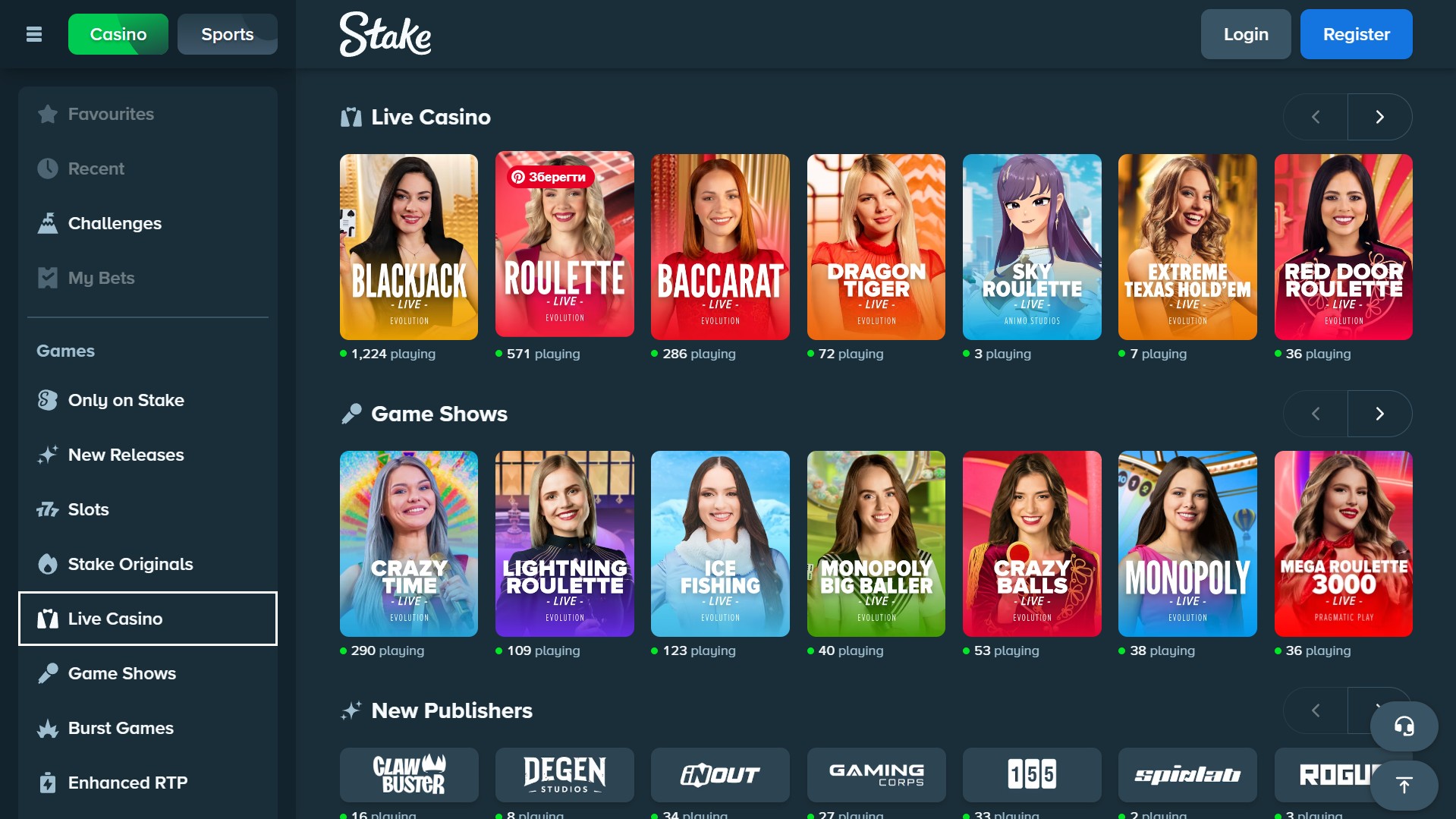
This seamless interoperability allows users to employ highly sophisticated, cross-disciplinary bankroll management strategies. An astute user might extract a calculated profit from a successful sports prediction and instantly reinvest a portion of those funds into a low-volatility table game to systematically clear a promotional turnover requirement. Alternatively, during the halftime intermission of a major sporting event, a user can seamlessly pivot to the casino section for rapid, short-term entertainment without ever needing to log out or disrupt their primary session.
Psychologically, this unified environment caters to the entire spectrum of human risk tolerance and entertainment desires. It recognizes that a user’s cognitive state is not static; it fluctuates between the desire for deep, analytical engagement and the desire for fast-paced, luck-based thrill. By housing both ecosystems within a single, highly secure, and technologically stable platform, the provider ensures that regardless of the user’s immediate psychological disposition, their demands can be met instantly, thereby maximizing user retention and cementing the platform’s status as a comprehensive digital destination.
FAQ
To ensure this academic overview provides maximum practical utility, the following section addresses the most frequent empirical inquiries regarding the structure and user experience of the sports forecasting environment. These responses are grounded in behavioral analysis and digital architecture principles.