

To grasp this concept in simple, objective terms, one must accept the immutable mathematical reality that underpins all such platforms: the statistical advantage, commonly referred to as the house edge, is a permanent fixture of the architecture. Therefore, any financial resources allocated to these activities must be cognitively framed as a sunk cost, a direct payment for the psychological thrill and entertainment value derived from the session. It is functionally identical to purchasing a ticket to a theatrical performance or paying for a recreational sporting event. Adopting this emotionally detached, highly rational perspective ensures that the user enters the digital ecosystem with clear expectations, neutralizing the psychological pressures associated with financial gain and preserving the activity strictly within the boundaries of harmless, structured entertainment.
Why It Is Useful to Set Personal Limits in Advance
From the perspective of neuroscience and cognitive behavioral theory, the human brain undergoes significant operational shifts when exposed to environments featuring high emotional arousal, rapid feedback loops, and variable reward schedules. When an individual is actively engaged in a highly volatile digital activity, the limbic system, which governs primal emotions and instincts, often becomes hyperactive. Concurrently, the prefrontal cortex, the neural center responsible for logical reasoning, impulse control, and long-term planning, experiences a measurable decrease in its regulatory capacity. Because of this predictable biological response, attempting to make rational financial or temporal decisions while currently immersed in the activity is inherently flawed.
This is precisely why establishing strict, inflexible personal limits prior to initiating any digital session is the most effective preventative measure a user can employ.
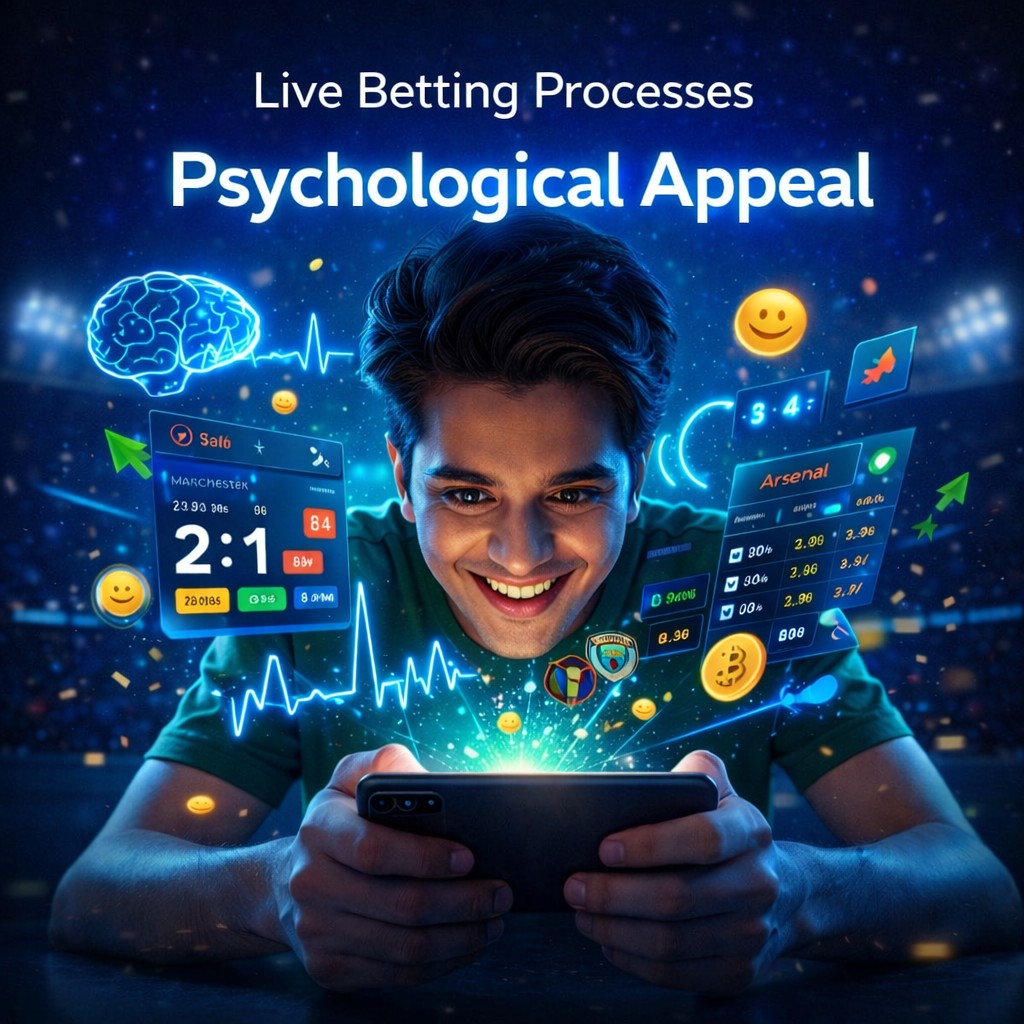
By defining a rigid financial ceiling and a strict temporal boundary while in a calm, emotionally neutral state — a concept behavioral economists refer to as utilizing a pre-commitment device — the user constructs a psychological firewall. This predetermined boundary acts as an objective stopping point that is immune to the spontaneous, emotion-driven rationalizations that often occur during a session.
Setting these limits in advance guarantees that the user retains absolute structural control over their resources, effectively preventing the phenomenon of budget creep and ensuring that the recreational activity never inadvertently encroaches upon the financial stability required for their daily, real-world obligations.
How to Assess Your State Before and After Play
Engaging in statistical recreation requires a high degree of emotional intelligence and systematic self-observation. In clinical psychology, introspection is utilized as a powerful diagnostic tool. To maintain a healthy relationship with digital entertainment platforms, users are strongly advised to implement a tripartite self-assessment framework, evaluating their psychological and physiological state before, during, and after their participation.
The preliminary assessment is arguably the most critical. Before launching an application or navigating to a webpage, the user must honestly evaluate their baseline emotional state. If the motivation to engage stems from a desire to escape workplace anxiety, alleviate feelings of depression, or distract oneself from interpersonal conflicts, the individual is entering the environment from a position of profound psychological vulnerability. Using risk-based entertainment as a coping mechanism for negative emotional states is an empirically proven catalyst for problematic behavior. The activity should only be initiated when the user is experiencing a neutral or positive emotional baseline.
During the session, the user must practice active mindfulness, conducting periodic micro-assessments of their physiological responses. Noticeable increases in muscle tension, an elevated resting heart rate, or a sudden onset of irritability when outcomes deviate from expectations are all empirical data points indicating that the entertainment value is deteriorating into psychological distress. Finally, the post-session evaluation serves as the ultimate metric of responsible participation. Upon concluding the activity and closing the interface, the user should ideally feel a sense of relaxed satisfaction. If, however, the residual emotional state is characterized by profound guilt, acute anxiety, frustration, or a lingering sense of emptiness, these feelings represent undeniable evidence that the structural approach to the activity is flawed and requires immediate, critical reassessment.
Which Signals Mean You Should Pause Immediately
Recognizing the exact moment when a recreational session transitions into a psychologically detrimental experience is a vital survival skill in the digital landscape. There are specific, highly observable behavioral and cognitive signals that serve as definitive red flags, indicating that an immediate and unconditional cessation of the activity is required.
One of the primary indicators is cognitive fatigue. Processing complex probabilities, tracking volatile odds, and making rapid decisions expends a massive amount of mental energy. When a user begins to notice a degradation in their concentration, an inability to process basic information, or a tendency to make careless, uncalculated decisions, the brain is signaling a critical need for rest. Persisting through cognitive fatigue dramatically increases the likelihood of severe operational errors. Another profound warning sign is time distortion, or time blindness. If a user discovers that several hours have elapsed without their conscious awareness, it demonstrates that the immersive nature of the platform has entirely severed their connection to their immediate physical environment and daily responsibilities.
However, the most dangerous and urgent signal demanding an immediate pause is the psychological compulsion to chase losses. In behavioral economics, this is recognized as a toxic combination of the sunk cost fallacy and severe loss aversion. When a user experiences a deficit and immediately responds by increasing their wager size or extending their session in a desperate, emotionally charged attempt to force the system to return their lost capital, logic has been entirely abandoned. This behavior is no longer recreational; it is a panic response. When this urge materializes, the only rational and effective countermeasure is to forcefully break the interaction cycle. The user must immediately log out, physically step away from the device, and engage in an entirely unrelated, grounding activity to allow their neurochemistry to return to a baseline state of equilibrium.
How to Understand Self-Control Options If Available
Recognizing that human willpower is a finite and easily depleted resource, many sophisticated digital platforms and international regulatory frameworks advocate for the integration of structural friction within the user interface. If a platform provides these technological self-control options, users should view them not as punitive restrictions intended for problematic individuals, but as highly advanced, proactive risk management tools designed for every responsible participant.

These integrated mechanisms typically manifest in several distinct formats. The most fundamental tool is the deposit limit, which allows a user to programmatically restrict the maximum volume of capital that can be transferred into the ecosystem over a rolling daily, weekly, or monthly period. Once this hardcoded threshold is reached, the backend architecture physically rejects any further transactions, perfectly enforcing the user’s predetermined budget. Similarly, platforms may offer session timers or reality checks — automated pop-up notifications that interrupt the screen to objectively inform the user exactly how many minutes or hours they have been continuously active, effectively shattering the illusion of time distortion.
For situations requiring a more definitive intervention, cooling-off periods or temporary account suspensions might be available. These features allow a user to voluntarily lock their own access to the platform for a specified duration, ranging from twenty-four hours to several weeks, providing a mandatory window for emotional recalibration. In the most severe instances, comprehensive self-exclusion protocols exist, which permanently sever the user’s ability to interact with the platform. Understanding and preemptively configuring these tools while in a rational state of mind is the ultimate demonstration of digital maturity, effectively outsourcing personal discipline to immutable software algorithms.
Why the Need for External Help Should Not Be Taken Lightly
Despite the implementation of rigorous personal boundaries and the utilization of advanced technological safeguards, the intricate complexities of human psychology dictate that individuals can still find themselves overwhelmed. It is of paramount importance to state, from an academic and public health perspective, that acknowledging the failure of internal control mechanisms and recognizing the need for external, professional intervention is never a manifestation of weakness. Rather, it is an expression of profound emotional maturity, self-awareness, and a deep sense of responsibility toward one’s own well-being and the stability of one’s immediate social network.
When the behavioral patterns associated with digital recreation begin to generate quantifiable, negative externalities in the real world, the threshold for seeking help has been crossed. These externalities may manifest as severe, chronic psychological stress, the sudden emergence of deception or conflict within familial and interpersonal relationships, a measurable decline in professional or academic performance, or the accumulation of unmanageable financial burdens that threaten basic living standards. If an individual finds themselves obsessively preoccupied with returning to the platform, or consistently failing to adhere to their own established limits despite repeated attempts, the structural problem has escalated beyond the scope of simple self-help strategies.
In contemporary society, an extensive infrastructure of professional support exists explicitly to address these behavioral challenges. Certified behavioral psychologists, specialized therapeutic counselors, and dedicated public health organizations possess the empirically validated frameworks necessary to assist individuals in deconstructing harmful cognitive patterns. Engaging with these professionals provides a safe, non-judgmental, and highly structured environment where an individual can identify the root psychological triggers driving their behavior. Seeking external expertise is the most logical, decisive, and courageous step an individual can take to reclaim their cognitive autonomy, restore balance to their daily life, and ensure their long-term mental and financial health remains securely intact.